Sell your car in Fairfax: running, damaged or still on a lease
Sell your car in Fairfax, VA with an instant offer and a pickup date. A Fairfax address can be in the independent City of Fairfax or in Fairfax County, and the two bill vehicle fees separately, so it pays to know which one has your car on its books.
Prefer a callback? Leave your number ↓
Offers powered by our buying partner — ★ 4.7 Trustpilot (205,000+ reviews) · ★ 4.5 Google (8,900+)
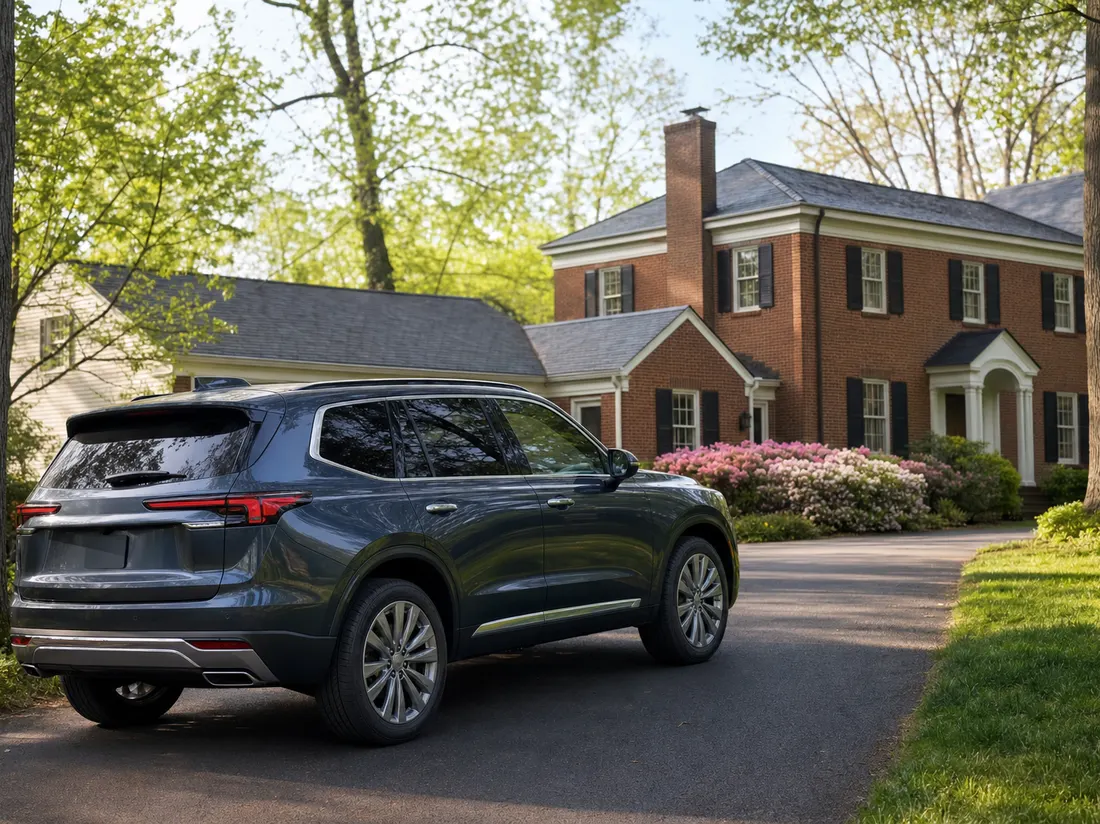
Getting the car off your driveway and off the tax rolls
- 1. Get the number. A few honest details, an instant offer back, no emissions certificate needed on your side. Leased? Get a buyout quote from the leasing company and we can tell you quickly whether the numbers work.
- 2. Hand it off. We come to the car anywhere we can legally and physically reach it, garages and HOA lots included.
- 3. Tell the County. Report the sale to DTA through its Vehicle Update Tool, at 703-222-8234 or at Suite 223 in the Government Center; the County prorates the tax for the time the car was garaged there. Then take the plate off your E-ZPass Virginia account, as its account agreement asks.
Where we pick up around Fairfax
Pickup is free, and coverage follows the Beltway rather than the city line: the City, the county's Fairfax addresses, Annandale, Springfield, Vienna, McLean, Reston and Herndon, plus Arlington and Alexandria.
DMV counters near Fairfax. The City of Fairfax DMV Select is in City Hall, Room 224, 10455 Armstrong St. (22030), open 8:30 a.m. to 4 p.m. weekdays, with title work cut off at 3:30 p.m. The Fairfax Braddock Road customer service center, 9855 Braddock Road, also opens Saturdays 8 a.m. to noon.
City of Fairfax or Fairfax County?
A Fairfax address can belong to either of two governments. The City of Fairfax, independent since 1961, is a six-square-mile city of about 24,000 people, and it charges its own $33 annual vehicle registration fee (city fee). Outside the city line, Fairfax County's Department of Tax Administration (DTA) sends the car tax bill.
The County charges $4.57 per $100 of value, based on the clean trade-in value in a used-car pricing guide's January 1 edition. So the assessed value on a County bill is the tax office's view of your car's trade-in value in Fairfax.
Fort Belvoir cars: county tax, shipping and the resale lot
Fort Belvoir no longer registers privately owned vehicles or issues decals (Fort Belvoir Regulation 190-2). Fairfax County still counts cars kept on post: they must be registered with the county, though service members domiciled outside Virginia can apply for an exemption with a current LES and orders to Virginia.
For a PCS, the post's Transportation Office (Household Goods) sends car moves to PCSmyPOV, whose Baltimore processing center at 2940 Waterview Ave. works by appointment only and takes a car with no more than a quarter tank of fuel. To sell on post, the MWR Resale Lot at Gunston Road and Jackson Loop Road charges $45 per 30 days for a car 18 feet or shorter; bring ID and current insurance and registration. Selling before the move is the other route, and our PCS car guide walks through it.
Cash for your car in Fairfax
Fairfax County Code Chapter 110 requires an inoperative vehicle on residential or commercial land to be kept in a fully enclosed building or completely screened from view. County police count a car as inoperative if it can't start and move on its own, has no valid plates, or shows an inspection decal expired more than 60 days. A complaint leads to a 30-day warning, then a 10-day notice, then a misdemeanor charge with a fine of up to $1,000. On HOA or commercial property, county police send these complaints to property management.
In the City, City Code §98-163 says tarps and tents don't count as screening, and if it isn't fixed within ten days of notice, the city has the car removed and stored. Old, damaged and non-running cars get offers too, with the same free pickup. Scrap-value cars go through our junk car page.
If it won't start or move because of the engine or transmission, our guides on selling a car with a cracked block or blown engine and selling a car with a failing transmission cover the fix-or-sell math. After a wreck, see selling a wrecked car for how frame and airbag damage change a sale, and selling a car after a total-loss claim for the payout and what happens if you still owe money on it.
What a Fairfax car costs you every year on paper
- •State relief covers 49% of the County tax on the first $20,000 of value in 2026; in DTA's example a $10,000 car owes $233.07 (county FAQ)
- •County registration fee: $33 up to 4,000 lbs, $38 above, which DTA may waive for an inoperable car not driven on public roads (county fees)
- •Most County bills are due October 5; a car bought or moved in on or after July 1 is billed in January, due February 15 (county FAQ)
Asked by Fairfax sellers
How long can a junk car sit on a street in Fairfax County?
County Code §82-5-29 presumes a car abandoned once it has sat 15 days without moving at least 300 feet. Police can then have it towed to storage, and the owner pays the removal and storage costs to get it back. Street repairs are limited to emergencies like a battery or a tire (§82-5-43).
Do Fairfax County police stations have a spot for meeting a buyer?
County police keep Safe Exchange Zone parking spaces, under 24-hour video, at most district stations, and any station lobby can be used too. The Fair Oaks District Station, 12099 Government Center Parkway, covers the county's Fairfax area.
Can I lower the Fairfax County car tax on a damaged or high-mileage car?
You can appeal the assessment to DTA, postmarked by May 1. Mileage appeals need a recent inspection, service or repair receipt showing the miles; damage appeals need a detailed estimate on an adjuster's or repair shop's letterhead. Pay on time anyway; DTA refunds any difference.
I moved to DC or Maryland. Does Fairfax County still tax my car?
It can. The county taxes a car with an active Virginia registration where it is registered, even if it is parked in another state, so selling it, and reporting the sale, is what ends the bill. The reverse costs too: a car kept in the county on out-of-state plates past 30 days owes a $100 plates tax plus a $250 penalty a year (county FAQ). Selling on a DC or Maryland title? See our out-of-state title guide.
The Virginia DMV paperwork is the same in Fairfax as anywhere else in the state, so our Virginia page walks through it.