Three steps between you and a check.
No lot visit, no strangers test-driving your car, no waiting for a payment to clear. Here is exactly what happens at each step — and what to have ready so it goes fast.
Tell them about the car
Year, make, model, mileage, and an honest read on condition: does it run, what's damaged, do you have the title. That's the whole intake — done online, no phone tag.
Have handy: your odometer reading and your title (or know where it is).
Review your instant offer
A real cash number on the spot — not a “range,” not a callback. The offer holds for days, so you can sleep on it. Accepting is optional and nothing is charged either way.
Tip: describe damage accurately — the offer is confirmed against the car at pickup.
Free pickup, get paid
Schedule a window that works — home, work, or the shop it's stranded at. The driver checks the car matches your description, you sign the title over, and you're paid on the spot.
Have ready: the signed title, your ID, and the keys.
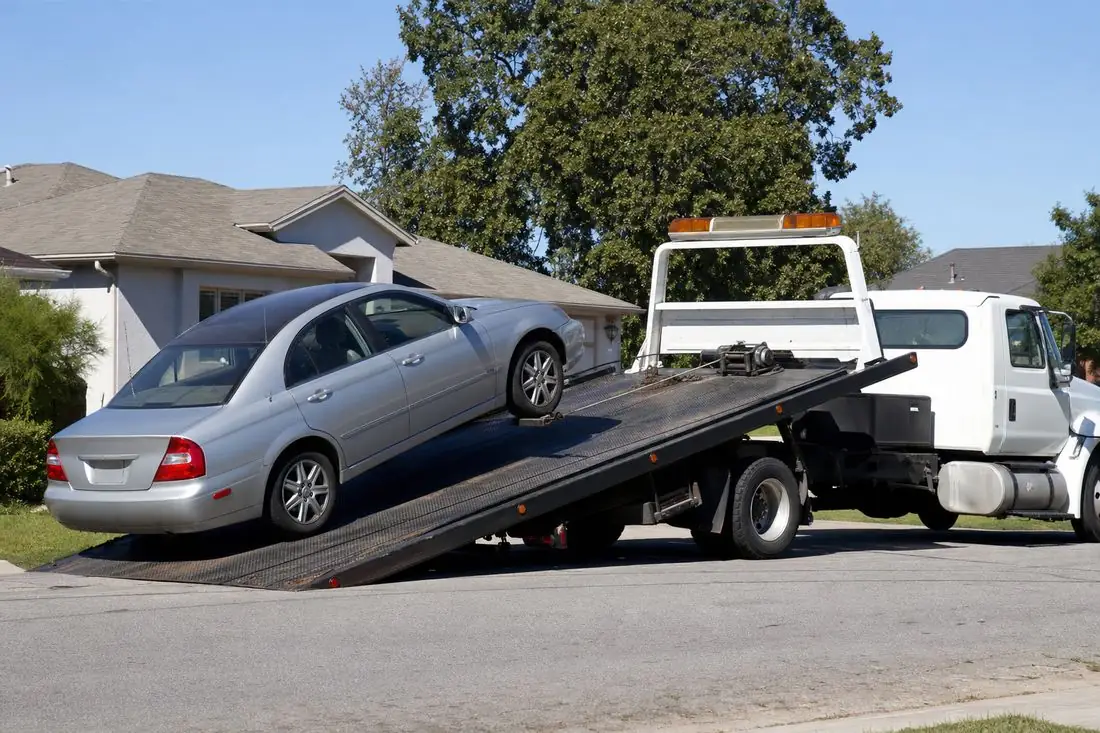
What happens when the truck shows up
The driver walks around the car and confirms it matches what you described — that's why honest condition answers protect your number. Then you hand over the signed title and keys, collect your payment, and the car is winched up and gone. Most pickups take under half an hour, and the tow is free whether or not it runs.
Plates come off before the truck leaves — in most states they stay with you, not the car. The paperwork guide covers your state's title and plate rules.
What actually moves your offer
- 01Mileage. On an older vehicle it outweighs almost everything else.
- 02Runs and drives? Changes which buyers can bid at all — but non-runners still sell every day.
- 03Title status. Clean, lien, salvage, or missing — each has a path, and each moves the price.
- 04Location. Pickup distance comes out of somebody's margin.
- 05Parts demand. Two equally rough cars can be worth very different money — it depends who needs the parts.
The one thing that protects you: describe damage accurately from the start. Offers are made on your description and confirmed in person. Every dollar “gained” by understating a problem gets taken back at pickup — and wastes the trip for everyone.
Some cars need a human first
Inherited vehicle, lien you're not sure is released, missing title, car in someone else's name — those are all solvable, but the path depends on your state and situation. Call or text (877) 405-1808 and talk it through free, or send the details and we'll reach out.