Sell My Car Hub

Selling a Car Without the Title

Losing the title feels like losing the car. It isn't. In most states the fix is a form, a fee that's often under $20, and some patience with the mail — and in a handful of states, an older car may never have had a title to lose.

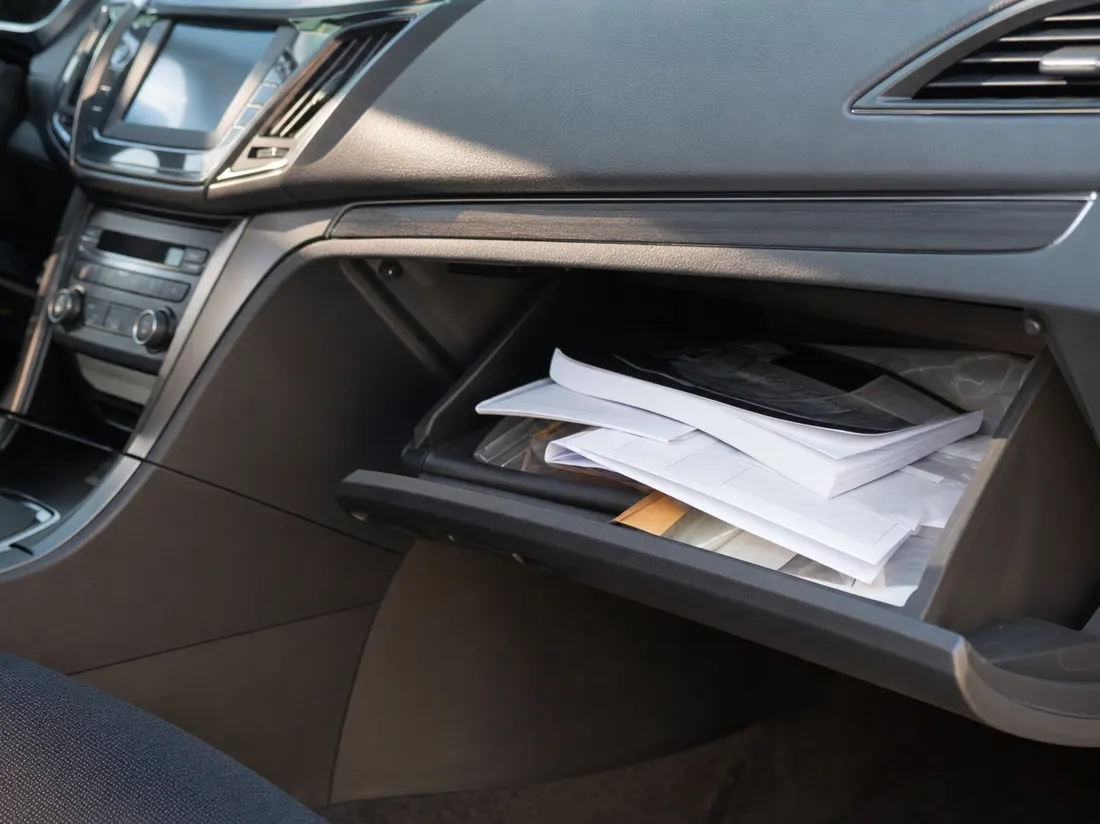
An open glovebox with a folded manual and loose papers - selling a car without the title

The title is a receipt for ownership, not ownership itself

People talk about the title as if it were the car's soul. It's closer to a bank statement: the state's record of who owns the vehicle, printed on paper. You still own the car when the paper goes missing. What you lose is the ability to prove it in the one way the DMV will accept.

That matters because of how a private sale actually works. In most states there is no separate transfer document at all — the seller signs an assignment printed on the back of the certificate itself, and the buyer takes that signed certificate in to apply for a new one. Alabama's Department of Revenue says so plainly: there's no separate seller's transfer form, the seller completes the assignment on the title and the buyer files through a designated agent, paying a $15 state title application fee. North Dakota, Oklahoma, Oregon, Iowa, Vermont — same structure, different form numbers. No signed certificate, no signature line, no transfer.

So the honest answer to "can I sell it without the title?" is: you can agree to a sale, take money, and hand over keys, but the buyer usually cannot register the car. That's why serious buyers ask about the title before they ask about the mileage.

Some cars were never titled in the first place

Before assuming yours is lost, check whether it ever existed. Several states set a model-year cutoff and simply don't issue titles for anything older, and the ownership document is the registration instead.

Rhode Island shows how these rules move. Model year 2000 and older vehicles weren't titled there, but since January 1, 2024 every used vehicle gets a Rhode Island title at registration regardless of age. Check the current page for your state rather than trusting what was true when you bought the car.

The replacement route, and what it costs

If the car is titled and the paper is gone, you order another one. Every state has this process; the names differ. Ohio calls it a duplicate and takes form BMV 3774 at a County Clerk of Courts title office — $18 statewide, $23 in counties that adopted the optional increase. New York uses MV-902, online, by mail, or in person, though every title prints in Albany and gets mailed either way. Texas calls it a Certified Copy of Title on Form VTR-34, with a $2 mail-in fee. Arizona charges $4 through AZ MVD Now, needs only one owner's signature, and warns mail processing can take up to six weeks.

Cost is mostly a non-issue. Across the 50 state fee schedules we track, 32 replacement titles cost $20 or less. Eight run $50 or more — Florida at $75.25 plus $2.50 service-and-handling for a printed paper title, and Oregon at the top, where there's no separate duplicate fee at all: a replacement costs the same as any title, $101 and up by MPG tier, $192 for an all-electric vehicle. Our duplicate title cost by state table has all fifty.

Two things do trip people up. First, only the owner of record (or a recorded lienholder) can apply — a buyer cannot order a replacement for a car still titled to you, which is the whole reason "I'll get the title later" deals go sideways. Second, some states notarize this specific application even when they don't notarize the sale itself: Alaska requires a notarized Affidavit of Lost, Stolen, or Destroyed Title (Form 809) with its $15 fee. If notarization is on your mind generally, see which states require a notary to sell a car.

One shortcut worth knowing: California's REG 227 is both the $28 replacement application and a transfer form, so a lost California title doesn't have to stall a sale for the 15 to 30 days the new one takes to arrive.
What to do while the paperwork catches up

Order the replacement first, then sell. It's dull advice and it's the right order of operations, because the alternative — selling on a promise — leaves a car registered in your name, driven by someone else, with your name still attached to whatever happens next.

If a buyer offers to "handle the title," ask exactly how, and expect a specific answer naming a form. If the paper is genuinely unrecoverable because the vehicle was never titled, get the state's substitute document in hand before money moves: the Q-1, the TDMV 22A, the registration certificate, whatever your state names. And keep a signed bill of sale regardless. Alabama's guidance on insurance-verification notices for a car you've already sold points at exactly that document as the way to clear it, which tells you how much weight a plain bill of sale carries when a record hasn't caught up yet.

Some situations don't have a clean answer here — an inherited car titled to someone who died, a lien released years ago by a bank that no longer exists, a vehicle bought on a bill of sale from someone who also never titled it. Those go through the state agency, sometimes via a bonded-title or court-ordered process, and they're worth a phone call rather than a guess. Your state page links the official motor-vehicle agency directly.

Common questions

What people ask about this

Can I legally sell a car if I lost the title?

You can agree to a sale, but in most states ownership transfers when the seller signs the assignment on the certificate of title itself — there is no separate transfer form. Without it, your buyer usually can't register the car. Order a replacement title from your state agency first; in 32 of the 50 state fee schedules we track, that costs $20 or less.

Can the buyer order a replacement title instead of me?

No. Replacement title applications are limited to the owner of record or a recorded lienholder. Alabama, for instance, requires the titled owner or lienholder to apply, and Alaska requires a notarized Affidavit of Lost, Stolen, or Destroyed Title (Form 809) from the owner. That's why "I'll sort the title out later" deals stall.

Are there cars that never had a title at all?

Yes. New Hampshire doesn't title model year 1999 and older vehicles, Connecticut exempts vehicles more than 20 model years old, Vermont doesn't require a title for registered vehicles model year 2009 or older, and Maine uses a rolling 25-year rule. Those sell on a registration certificate plus the state's substitute form.

How long does a replacement title take?

It varies by state and filing method. Arizona warns that mail processing can take up to six weeks; California says a replacement typically arrives in 15 to 30 days. New York prints all titles in Albany and mails them even when you apply in person. Some states offer an expedited option — Florida charges $10.00 for fast title where it's available.

How much does a replacement title cost?

Anywhere from $2 to over $100. Texas charges a $2 mail-in fee for a certified copy of title, Arizona $4, Ohio $18. At the other end, Florida is $75.25 and Oregon has no separate duplicate fee at all — a replacement costs the same as any title, starting at $101 and reaching $192 for an all-electric vehicle.

Rather just sell the car?

Get My Instant Offer → Online · about 2 minutes · free

Or send the details — we'll come to you

Tell us the year, make, model and what's going on with the title — we'll tell you whether it can be sold as-is or what you'd need to replace first.

or call/text (877) 405-1808