Sell your car in Mobile: running, flood-damaged or not running
Tell us about the car online and an instant offer comes back, based on your answers. Pickup reaches both sides of Mobile Bay. If you sell before your tag comes up for renewal, the Mobile County License Commission can also credit back the tag tax you paid in advance; the papers it asks for are listed below.
Prefer a callback? Leave your number ↓
Offers powered by our buying partner — ★ 4.7 Trustpilot (205,000+ reviews) · ★ 4.5 Google (8,900+)
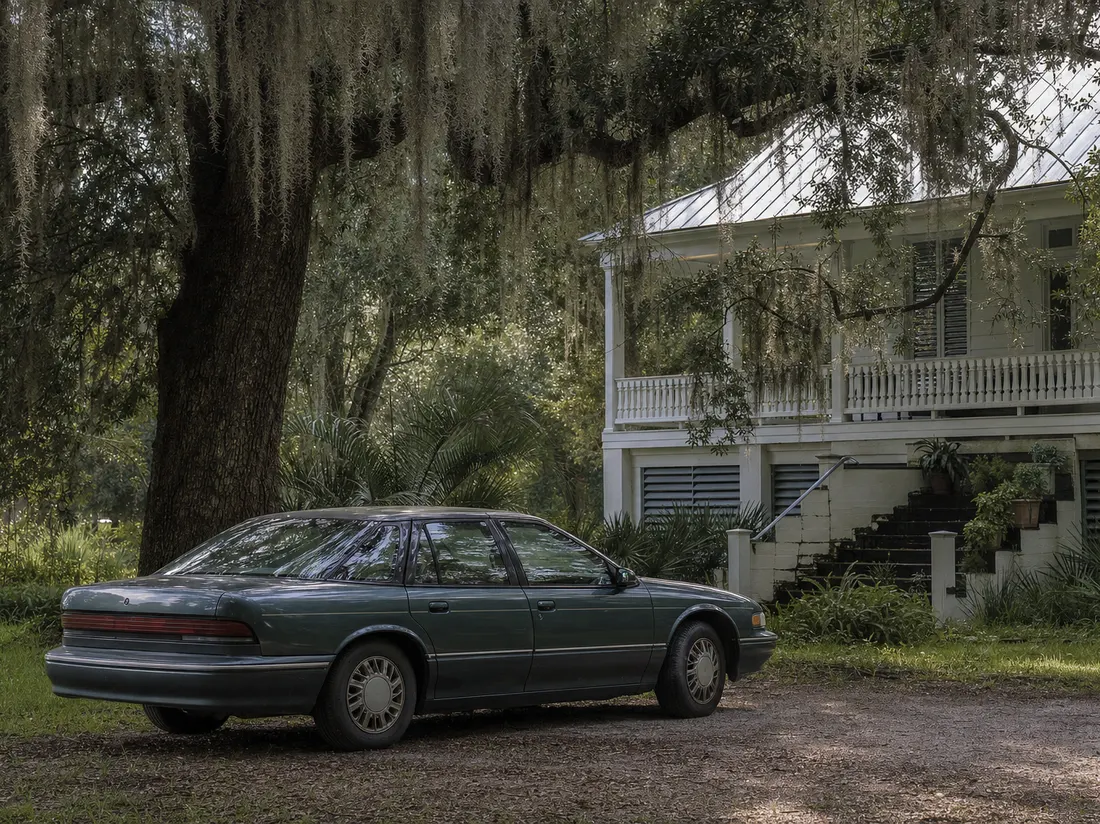
Handing a car to a private buyer in Mobile County
- Meet at a police lot. In a 2018 release, the Mobile Police Department urged people buying from or selling to others locally to use its Internet Purchase Safe Exchange Zones, clearly marked in the parking lots at its headquarters, 2460 Government Blvd., and at its precinct stations.
- Hand over the latest tag receipt. The License Commission asks a private buyer to bring the previous owner's tag receipt, and a buyer without the most current one can end up paying taxes the previous owner left unpaid. If you can't find yours, any office will issue the registered owner a duplicate for $2.25.
Where we pick up around Mobile
On the Mobile side, pickup runs from downtown (36602) out to west Mobile (36695), north to Prichard and Saraland and south to Theodore. Across the bay, homes in Daphne (36526), Spanish Fort and Fairhope get the same-day offer and the same pickup terms as an address in the city.
Skip Wednesday. The Alabama DMV counter for Mobile County is the Mobile County License Commission, and all five of its offices are closed on Wednesdays. On open days most of them run 7 a.m. to 5 p.m., including the Courthouse Annex at 151 Government Street downtown, and the commission posts wait times online.
Where the car sits when the water comes up
The City of Mobile's flooding page says the city gets one of the highest volumes of rain in the U.S., and that storms can flood some streets. The page (checked September 2026) points you to FEMA's flood map to look up a property's flood designation. That's worth doing if a car you rarely drive sits outside through hurricane season.
The same page notes that 6 inches of water reaches the bottom of most passenger vehicles. A car that has sat in water can still get an offer. What you owe a buyer after that turns on whether an insurer paid a claim, which our guide to selling a flood-damaged car works through.
A total loss qualifies for the tag-tax credit too. For that, the Mobile County License Commission asks for the insurer's letter on company stationery, signed by the agent, with the VIN and the date of the total loss.
Cash for your car in Mobile
Mobile's inoperable motor vehicle ordinance, passed in 2018, covers a car that has sat on private property in public view for 30 days or more with its engine, transmission, drive train, wheels or another major part missing or not working. Keeping it in an enclosed building that hides it from the neighbors takes it outside the rule, and the ordinance says a tarp or car cover doesn't count. A car laid up for ordinary repairs gets 30 days in total, and only with a current tag on it (City Code, Chapter 52). Complaints about junk cars in Mobile go to the city's Code Enforcement Division through 311.
If you came looking for cash for cars in Mobile, AL, a car in that state still gets an offer, figured on what's missing or broken, and pickup doesn't need it to move under its own power. Without a garage to keep it in, selling it as a junk car takes it out of the yard and out of the ordinance.
When a storm or a crash leaves body damage, selling a storm- or accident-damaged car covers what a buyer checks and what you have to disclose. If the insurer has already called it a total loss, selling a totaled car explains the payout, what it costs to keep the car, and the salvage title that comes with it.
How Mobile County credits tag tax after a sale
- •To get a Receipt for Credit after a sale or a trade, bring a copy of the bill of sale and the tag itself or a tag receipt. None is issued later than twelve months after the sale (License Commission FAQ)
- •A credit voucher is applied when you register your next vehicle and covers only the tax portion of the tag bill; a balance that can't be applied can be refunded by check, processed by the 20th of the following month (License Commission FAQ)
- •The issuing office collects a $2.00 redemption fee on credit vouchers and receipt-for-credit checks (License Commission FAQ)
Asked by Mobile sellers
What's my car's trade-in value in Mobile?
No page can give you that figure: the dealer sets it as part of the deal on your next car. What the License Commission does spell out is the paperwork after you buy from an Alabama dealer. The dealer fills out your title application and collects the sales tax, but you still bring a copy of that application, the bill of sale, an Alabama insurance card and ID for everyone on the new title. An instant offer on the car you're trading gives you a second figure to set against the dealer's, and our guide to trading in versus selling compares the two.
The city left a notice on my car. Can I still sell it?
Yes. The notice gives 30 days from receipt to remove the car or put it in an enclosed building, and the owner may remove it before the city does, so a sale inside that window works. A written hearing request to the code official at 205 Government Street within the 30 days puts it before the City Council. Otherwise the city tows the car to its impound lot, can bill the costs to the registered owner and can auction it after 60 days unclaimed.
Where do I replace a lost title in Mobile County?
At any License Commission motor vehicle office in the county. The commission lists the fee for a new or replacement title as $19.25, payable by Visa, MasterCard, Discover, check or cash, and the title is mailed to the owner or the lienholder.
I live in Daphne or Fairhope. Do I use the same tag office?
No. Baldwin County handles tags through its Probate Office's Motor Vehicle Section, which strongly recommends booking in-office visits through its scheduling portal or by calling 251-239-4311. The Mobile County License Commission says a tag-tax credit has to be redeemed in the county where the tax was paid, so tax paid on a Baldwin County tag isn't credited in Mobile.
The License Commission wants the title “signed correctly by the previous owner,” and what counts as correct is set by the Alabama Department of Revenue, as our Alabama page explains.