Sell My Car Hub

The best place to sell your car: six routes, side by side

Where you can sell your car for the most money is usually a private buyer, and you pay for that extra money with your time, test drives with strangers and a payment you have to check. Here are the six real routes, what each tends to pay next to the others, how long it takes, what can go wrong and who it suits.

Last updated .

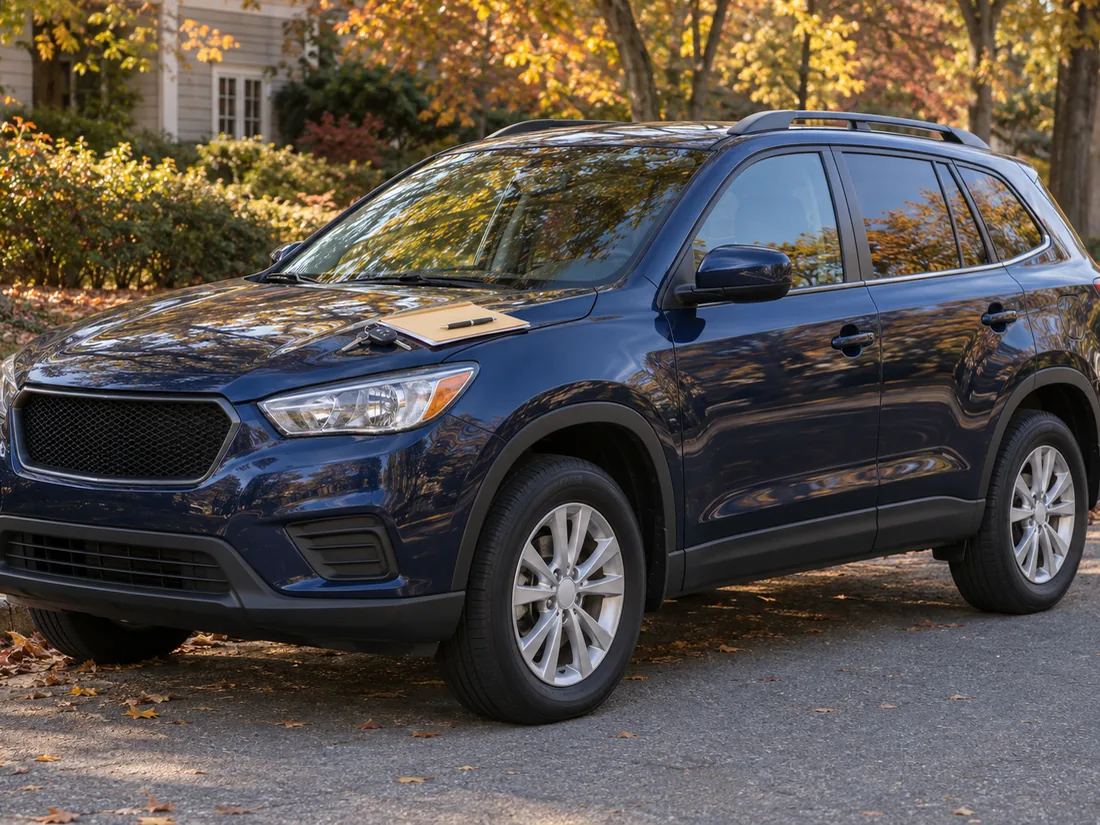
A dark blue compact SUV parked at the curb of a tree-lined street in autumn, with a set of car keys, a manila folder and a pen resting on its hood.

Six ways to sell a car, side by side

Every route trades money against time, work and risk. Kelley Blue Book publishes a trade-in value and a private-party value for most cars, and it says the trade-in figure will be less than the private-party one because the dealer has to recondition the car, put it through safety inspections and cover its other costs of doing business. The other routes sit along that same line.

RouteWhat it tends to payHow longYour workMain riskSuits
Private saleUsually the most for an ordinary car that runsOpen-ended: it ends when a buyer paysPhotos, listing, calls, test drives, title and state filingsFake checks, no-shows, a buyer who never retitlesA paid-off car and spare time
Trade-inLess than private, but most states cut the sales tax on your next carDone in the visit where you buyAlmost noneThe trade value gets lost inside the new-car dealBuying from a dealer anyway
Selling outright to a dealerClose to a trade-in, with no tax creditOne visit and an inspectionDriving it inThe number moves if the inspection finds more than you listedNot buying another car
Instant online offerClose to a trade-in; written, with a deadlineAn offer that stays open about a weekA form, then a pickup or a drop-offThe price changes if the car doesn't match the descriptionNo time for strangers or showings
Enthusiast auctionSet by the bidders; a national audience helps rare carsAcceptance and listing work, then about a week of biddingHigh: photos, records, bidder questionsThe reserve isn't met; you still close the sale yourselfCollector and enthusiast cars
Junk or scrapThe lowest; priced on parts and metalShortA call and the titleScrapping a car that was worth fixingWrecked, dead or worn-out cars

No public dataset puts one dollar gap between these routes that holds for every car. The gap depends on the car, the state and the season, so the next section turns your situation into a route, and the sections after it explain each one.

Which way to sell your car: if this, then that

Private sale: the most money, and every job is yours

A private buyer pays more because they skip the dealer, and the dealer's work becomes yours. On a trade, KBB says, the dealer must absorb reconditioning, advertising, sales commissions, financing and insurance, and standing behind the car if something breaks. KBB's own advice is that you may get more by selling it yourself, but that you should weigh your time and what it calls the liability of making appointments and giving a test drive. Price it honestly, too: KBB says most of the cars it sees are in Good condition, and that most people rate their own car too high.

The payment is where sellers get hurt. The FTC says fake checks can look like personal checks, cashier’s checks or money orders. Banks have to make deposited money available quickly, but it can take weeks to find out a check was fake, and by then you owe the bank the money back. A buyer who pays too much by accident and asks you to refund the extra is, as the FTC puts it, running a scam. The safe handoffs are the ones that can't bounce later: meet at the buyer's bank and watch the teller issue the cashier's check or send the transfer, then sign the title.

Meet where cameras are. Some police departments set aside spots for online-sale exchanges. Prince William County, Virginia has one at each of its three district stations and tells residents to be extra cautious when selling vehicles. Its rule of thumb is a good one anywhere: if somebody won't come to the police station to do the exchange, it is probably not a legitimate sale. Ask your own department whether it has a spot.

The paperwork protects you after the car leaves. You sign the title over, write a bill of sale where your state wants one, and tell the state the car is gone. In California, once the DMV has your notice, liability for parking violations, traffic violations, or civil litigation after the sale date passes to the buyer, and the notice is due within 5 calendar days. Texas tells sellers to file its Vehicle Transfer Notification within 30 days from the date of sale. If you still owe on the car, the lien has to clear first: Virginia's DMV, for one, sends a title with a lien straight to the lender, and after payoff the lender has 10 days to notify you and send it. A few states also want your signature notarized; here is which ones.

A private sale suits a seller with a paid-off, running car that many people want, some free time and patience for messages. It suits nobody who needs the money by a fixed date.
Trade-in: the least work, and a tax break that narrows the gap

A trade-in is one transaction. The dealer values your car and takes that amount off the one you are buying. It pays less than a private buyer would, for the reasons KBB gives in the private-sale section, but in most states it also lowers the sales tax on the next car, because you are taxed on the price minus the trade.

Texas is a clear example: its motor vehicle sales tax of 6.25% is charged on the price after the trade-in allowance comes off, so a $10,000 trade saves $625 in state tax there. California works the other way. Its tax agency tells dealers that tax is due on the full selling price and that they cannot deduct the trade-in. Virginia also taxes the price before any credit for trade-ins. A few other states limit the credit; the trade-in vs. private sale guide lists each one and runs the numbers on a sample car.

Two habits keep a trade honest. Settle the price of the new car before you mention the trade, so one number can't hide inside the other. And bring a written offer from somewhere else, so the appraiser has a figure to beat. If you owe more than the car is worth, the dealer can fold the shortfall into the new loan, which means paying interest on a car you no longer own; the loan guide covers the other ways out.

A trade-in suits someone who is buying from a dealer anyway, lives in a state with the credit and would rather not sell to strangers. In California or Virginia, the case for it rests on convenience alone.

Selling to a dealer without buying a car from it

You don't have to buy anything to sell to a dealer, but it is the less common deal. In NADA's 2025 figures, franchised dealers got 9.1% of the used cars they retailed as street purchases, bought straight from the public, while 69% came in as trade-ins (45.4% on new-car sales and 23.6% on used). Some dealers buy this way through online offer programs. Kelley Blue Book's Instant Cash Offer, for example, is redeemed at a participating dealer, and KBB says you can walk away with a check without buying a car.

Expect a number close to a trade-in, without the tax credit, since you aren't buying a car for it to offset. The dealer looks the car over first, and KBB says that if the inspection doesn't match your online description, the offer may be raised or lowered. If you still owe money on the car, the dealer handles the payoff, but KBB warns that a loan can slow the check when you sell without buying.

This suits a seller who isn't buying another car, wants it done in one visit and has a car that drives.

Instant online offers, ours included

An instant offer is a written price from a buyer who will resell the car, worked out from the details you enter. Don't expect it to match a private sale. KBB says of its own program that most offers do fall within its trade-in range. What an offer gives you is a number in writing, from a buyer you don't have to vet, with a deadline you can plan around.

The offer buttons on this site go to our buying partner, Peddle, which pays us a referral fee when you sell through it (how we're paid). Here is what Peddle publishes about its offer. It is free and carries no obligation. It stays open for a week while you decide and book a pickup. The amount offered online is what's paid at pickup if the car matches what you described, because the driver checks the car first and completes the title-transfer paperwork. The driver hands you a check once they inspect the car. Pickup is free, at a time that suits you, and the whole sale usually takes a few days. Your own state steps, like the plates, the notice of sale or a notary, stay with you.

Use any written offer twice. It is the figure a private buyer has to clear before the extra work pays, and it is the figure a dealer's appraiser has to beat. To get one for your car, request a free offer online and describe the car as it really is.

Enthusiast auctions: for cars with a following

Price guides struggle with rare cars. KBB doesn't publish values for some exotic and low-volume models and says they should be privately appraised. For a car like that, an online enthusiast auction puts it in front of bidders across the country instead of the few local buyers who know what it is.

Bring a Trailer shows how these sites work. You submit the car, and BaT says it selects the most interesting and works with the seller on the listing. Sellers pay a $99 listing fee. Buyers pay a 5% or 10% fee on top of the final price, depending on the auction category, and auctions typically run for 7 days. You can set a reserve; if bidding falls short of it, you and the top bidder get 24 hours to trade an offer and a counteroffer. After a sale, BaT says the buyer and seller work together to complete the transaction, so the title, the payment and the state filings are still yours, as in any private sale.

An auction suits a collectible, a well-kept enthusiast car or a rare model with records to show. BaT's screening is built for interesting cars, so an everyday commuter is a poor fit, and it gains little from a national audience anyway.

A car that doesn't run: the junk route

If the car is wrecked, won't start or would cost more to fix than it's worth, the routes above fit badly. Private buyers want a car they can drive home, enthusiast auctions screen for interesting cars, and KBB lists low value due to age or condition among the reasons a car can't get its instant offer. Selling for parts or scrap is its own process, with its own title rules, and our junk car guide covers it.

Your state's rules for selling a car

Whichever route you pick, your state sets the loose ends. By our count, 22 states require the seller to report the sale, 11 offer an optional filing and 17 have no form at all; in 7 of those 17, handing in the plate does the same job. Every deadline is in our notice of sale table, and the release of liability guide explains what the filing protects you from. Plates matter too: 46 states make the seller deal with them (plate rules by state). Our Red Tape Index scores all 50 states on these steps, and the state selling pages walk through yours.

When to sell: the calendar matters less than the wait

Used-car prices do have a season. In Bureau of Labor Statistics price data, they run furthest above trend in August and furthest below it in January, and the swing from the low to the high is about 5% (our analysis of the BLS series). Spread over the seven months between them, that's about 0.7% a month at best, while the car keeps aging and adding miles (how fast a car loses value). So if you are ready to sell, sell. If you are choosing between a summer month and a winter one anyway, summer has a small edge.

Common questions

What people ask about this

Where can I sell my car for the most money?

For an ordinary car that runs, usually to a private buyer, because any dealer or online buyer has to leave room to recondition and resell it. There are two common exceptions. A rare or collectible car may bring more at an enthusiast auction, where bidders across the country see it. And if you are buying from a dealer in a state that credits the trade against sales tax, a trade-in can come out closer to the private price than it first looks.

Is an instant online offer lower than a trade-in?

Usually it lands near one. Kelley Blue Book says most of its instant offers fall within its trade-in range. The differences are that an instant offer is in writing with an end date, and you don't have to buy a car to take it. KBB's offer can also be applied toward a car at the participating dealer, which turns it into a trade-in there.

What is the safest way to take payment when I sell my car privately?

Choose a payment that can't be reversed after the buyer drives away. The FTC warns that fake checks include cashier's checks and money orders, and that it can take weeks for a bank to spot one, long after the money looked available. Meet at the buyer's bank, watch the cashier's check or transfer being issued, and sign the title only after that. Never refund an overpayment.

Do I have to tell the DMV after I sell my car?

In 22 states you must, and the deadlines vary: California wants the notice within 5 calendar days, while Texas tells sellers to file within 30 days. Eleven more states let you file to protect yourself. The other 17 have no form; in most of them, turning in the plate or the signed title transfer is what ends your responsibility. Your state's selling page says which group you are in.

Can I sell my car if I still owe money on it?

Yes, but the loan has to be paid before the buyer gets a clean title. A dealer or an instant-offer buyer can pay the lender off as part of the deal. A private buyer usually can't, so you pay off the loan first or arrange the payoff with the lender at the sale. In Virginia, for example, the lender has 10 days after payoff to notify you and send the title.

What month is best to sell a car?

August, by a little. Government price data puts used-car prices highest in late summer and lowest in January, with about 5% between them. That gap is small next to what a car loses by waiting months, so selling when you are ready usually beats waiting for August.

Rather just sell the car?

Get My Instant Offer → Online · free · no obligation

Or send the details — we'll come to you

Tell us the year, make, model and miles, and whether you still owe on it. We'll call you back with a number to weigh against a trade-in or a private sale, and we come to you.

or call/text (877) 405-1808