Do the plates stay with the car? Every state’s rule
In 44 states the plate leaves with the seller; in 4 it stays bolted to the car. Guessing from a neighboring state is how people collect strangers’ parking tickets.
Last updated .
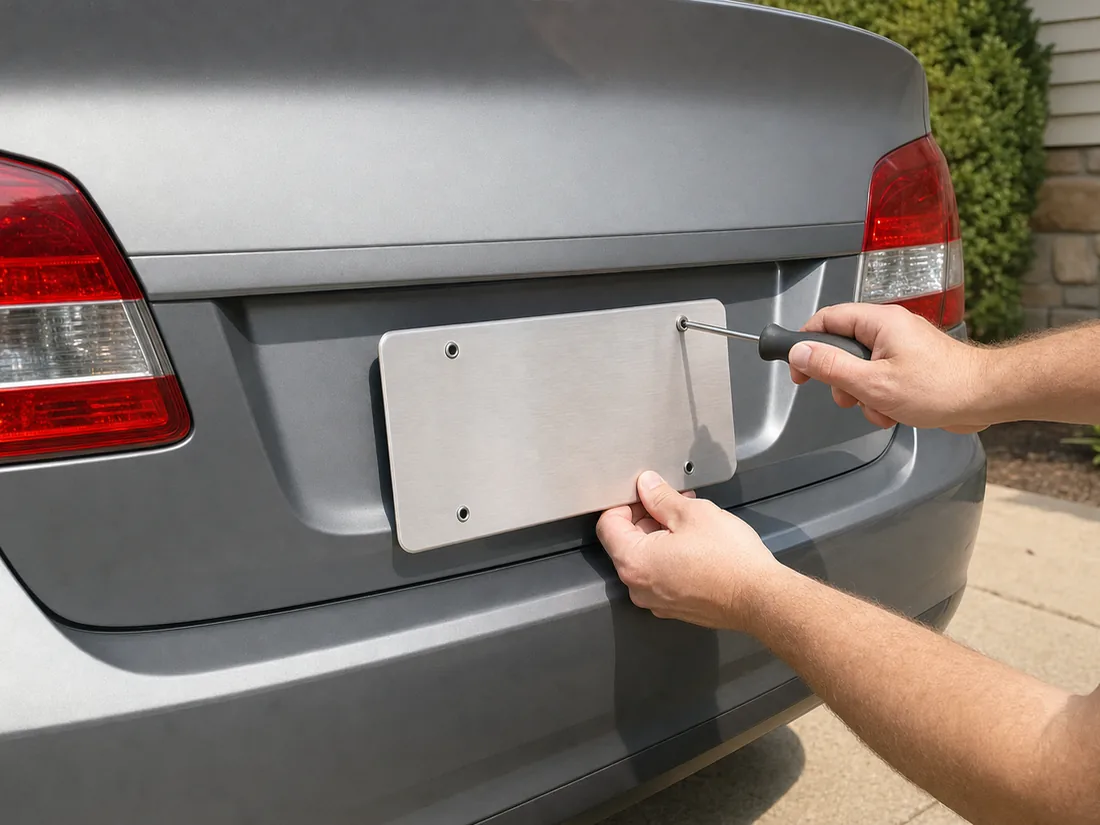
Two opposite systems, and no way to guess which one you live in
In 44 states the license plate belongs to the person: it comes off when the car is sold, and leaving it bolted on is somewhere between a mistake and a misdemeanor. In 4 the plate belongs to the car and rides along to the buyer — taking it off would be the error. 2 states split the difference. Nothing about a state predicts its side: California keeps plates on the car while Nevada and Arizona, one border over, make removing them the seller’s duty — and Oregon’s default is the California way with an opt-out. It is the single most commonly transplanted mistake in car-selling advice, which is why every row below was verified against that state’s own agency page or statute rather than carried over from a neighbor.
Why the answer matters more than it looks
Get it wrong in a keep-your-plate state and your plate — registered to you — drives away on someone else’s car, collecting their toll violations and parking tickets under your name. Several states also refund unused registration or transfer the plate to your next car for a dollar or two, money that evaporates if the plate leaves with the buyer. In stays-with-car states the reverse applies: strip the plate and your buyer cannot legally drive home, and the county may refuse the transfer paperwork.
| State | Who keeps the plate | The rule, in one line |
|---|---|---|
| Alabama | The seller | Seller removes and retains license plate; $1.25 to transfer to next vehicle. ↗ |
| Alaska | Stays on the car | Registration plates remain on vehicle; standard plates are non-transferable. ↗ |
| Arizona | The seller | Seller removes plate before transfer; 30 days to transfer, surrender, or destroy. ↗ |
| Arkansas | The seller | Seller removes plate on transfer; $1.00 tag-transfer fee to move to next vehicle. ↗ |
| California | Stays on the car | Plates remain on vehicle and transfer with sale; personalized and special interest plates are the exception and are removed before the buyer takes possession. ↗ |
| Colorado | The seller | Colorado: Plates expire on transfer and cannot move to another car; seller keeps and must return or recycle them. ↗ |
| Connecticut | The seller | Plates come off and can be discarded, or transferred to another vehicle you own for $21; cancelling the registration with DMV is the seller's job. ↗ |
| Delaware | The seller | Delaware: Plates must be removed and returned to DMV; leaving on car causes seller liability. ↗ |
| Florida | The seller | Florida: Plates stay with seller; must return or transfer to replacement vehicle. ↗ |
| Georgia | The seller | Georgia: Plates stay with seller; do not transfer to buyer; seller keeps or surrenders. ↗ |
| Hawaii | Stays on the car | Ordinary Hawaii plates belong to the car and stay bolted on; the exceptions are personalised plates, which must be transferred, stored or retired before the sale, and veteran… ↗ |
| Idaho | The seller | Idaho law states registration plates and registration card belong to the transferor and must remain in the seller's possession when ownership transfers. ↗ |
| Illinois | The seller | Illinois plates belong to the owner not the vehicle; seller must remove plates at sale and cannot transfer ownership of plates to buyer, only to another vehicle the seller owns. ↗ |
| Indiana | The seller | Indiana seller should remove the license plate at the time of the transaction; the BMV does not require plates of sold vehicles to be returned, and the seller may transfer them to another vehicle they own for a $9.50 fee. ↗ |
| Iowa | The seller | Iowa Code section 321.34 assigns registration plates to the owner not the vehicle; seller must remove plates before buyer drives away. ↗ |
| Kansas | The seller | Kansas license plates expire with the registration on transfer; the seller must remove them and may reuse the number for $1.50. ↗ |
| Kentucky | The seller | Since January 2024, Kentucky sellers retain license plates under KAVIS; KRS 186.190(1)(a) forbids them remaining on the vehicle. ↗ |
| Louisiana | The seller | Louisiana passenger plates are not transferable; the seller takes them off and the buyer gets new metal plates on registration. ↗ |
| Maine | The seller | Maine registration plates are state property; they expire when title transfers and the seller may transfer to another vehicle for $8. ↗ |
| Maryland | The seller | Maryland license plates stay with the seller; remove before delivery and return via 24-hour drop box or certified mail. ↗ |
| Massachusetts | The seller | Plates are registered to the person, not the car; registration expires on transfer so plates come off — seller then either moves the registration to another vehicle they own or… ↗ |
| Michigan | The seller | Seller must remove plates before the buyer takes possession — the plate belongs to the person, not the car; sole exception is transfer to immediate family (MCL 257.233(1): spouse, mother, father, sister, brother, child). ↗ |
| Minnesota | Stays on the car | Plates and registration taxes assigned to buyer and stay with car; seller cannot remove standard plates or transfer to another vehicle. ↗ |
| Mississippi | The seller | Seller removes the tag once the title is assigned and must surrender it to the county Tax Collector — surrender is the state's release-of-liability filing and earns prorated registration credit; the tag itself cannot move to another vehicle (registered to both vehicle and owner). ↗ |
| Missouri | The seller | Seller removes plates before buyer takes possession; can transfer to another vehicle for $2 fee or surrender for credit. ↗ |
| Montana | The seller | Montana requires the seller to remove license plates immediately upon transfer; plates remain seller's property. ↗ |
| Nebraska | The seller | Nebraska requires seller to surrender plates within sixty days to receive refund of unused registration fees and taxes. ↗ |
| Nevada | The seller | Nevada plates belong to the seller: move them to another vehicle or surrender for cancellation within 60 days of sale (30 for special plates); handing plates to the buyer… ↗ |
| New Hampshire | The seller | Registration expires on transfer (RSA 261:66) so plates come off before the car leaves; seller keeps the plates for the next vehicle and must retain the expired registration certificate — that certificate, not the plates, is what the town or city clerk takes for transfer credit. ↗ |
| New Jersey | The seller | New Jersey requires seller to surrender plates; they remain seller's property and can only transfer to another seller-owned vehicle, never to buyer. ↗ |
| New Mexico | The seller | New Mexico is a Vehicle Plate to Owner state; the owner removes the plate before the vehicle changes hands, then has 30 days to take it to MVD for destruction or have it assigned to another vehicle of the same class. ↗ |
| New York | The seller | Plates and registration sticker must be removed from the vehicle before the sale is completed; surrender to DMV or transfer to another vehicle. ↗ |
| North Carolina | The seller | Statute G.S. 20-72(a) requires the owner to remove license plates whenever ownership of a registered vehicle is transferred. ↗ |
| North Dakota | The seller | NDCC 39-04-36(1) requires the transferor to remove license plates when vehicle ownership transfers; registration expires automatically. ↗ |
| Ohio | The seller | R.C. 4503.12(A) requires the original owner to immediately remove license plates upon transfer of ownership; violation is a 4th degree misdemeanor. ↗ |
| Oklahoma | The seller | Oklahoma plates belong to the seller and must be removed at handover. ↗ |
| Oregon | It depends | Default: plates and remaining registration stay with the car; seller may remove them, leaving the buyer to buy new plates plus a 21-day permit. ↗ |
| Pennsylvania | The seller | Seller must remove plate; buyer gets temporary plate valid 90 days; plate never transfers. ↗ |
| Rhode Island | The seller | Plates belong to seller; registration expires on transfer; plates must be cancelled online or returned. ↗ |
| South Carolina | The seller | Plates stay with seller; must transfer or return within 30 days; refund available for return. ↗ |
| South Dakota | The seller | South Dakota seller removes the plates and keeps them; leaving them on is a Class 2 misdemeanor. ↗ |
| Tennessee | The seller | Tennessee plates follow the owner and transfer to a different vehicle for $1.00; seller must remove them. ↗ |
| Texas | The seller | Texas seller has the option to remove the plates and registration sticker, and should: left on the car they stay registered to you, and the VTR-346 transfer notification asks in writing whether you kept them. ↗ |
| Utah | It depends | Seller removes plates by default unless agreed to include plate transfer with sale (allowed since 2024). ↗ |
| Vermont | The seller | Seller must remove the plates immediately … ↗ |
| Virginia | The seller | Virginia seller removes the plates before the buyer takes possession; they then either transfer to a replacement vehicle the seller owns or are surrendered to DMV (refund only if six or more full months remain). ↗ |
| Washington | The seller | Washington requires seller to remove plates before sale; plates cannot be transferred to buyer and belong to seller only. ↗ |
| West Virginia | The seller | West Virginia Code 17A-4-1 makes plate retention the seller's duty; plates expire with registration at sale. ↗ |
| Wisconsin | The seller | Wisconsin prohibits leaving plates on cars/light trucks; seller must remove and destroy them or transfer to own vehicle. ↗ |
| Wyoming | The seller | Wyoming requires immediate plate removal at sale under W.S. 31-2-214; no refunds, only 60-day transfer option to next vehicle. ↗ |
How this table was built
Each row was researched individually from the state’s motor-vehicle agency or its vehicle code — the linked source on the row — and then re-checked adversarially against the same source before publishing, specifically because this rule reverses between states and gets copied wrong so often. The state name links our full selling walkthrough for that state; the arrow links the rule’s source.
Related: the notice-of-sale deadlines that often travel with the plate rule · what happens if the registration lapsed first.
Plate rules are statutory and stable, but agencies do reshuffle their pages — the arrow on each row is the source the rule was checked against, and if it moves, the statute name in the row text is the search term that refinds it.