Sell your car in Kailua-Kona: running, old and faded, or not running
Sell your car in Kailua-Kona with an instant cash offer online and pickup anywhere from Waimea down to Honaunau. A car with faded paint or a cracked dash can still get an offer. Below you'll find the county vehicle office at the West Hawaii Civic Center, how to junk a car there, and what happens to a car left on a roadside.
Prefer a callback? Leave your number ↓
Offers powered by our buying partner — ★ 4.7 Trustpilot (205,000+ reviews) · ★ 4.5 Google (8,900+)
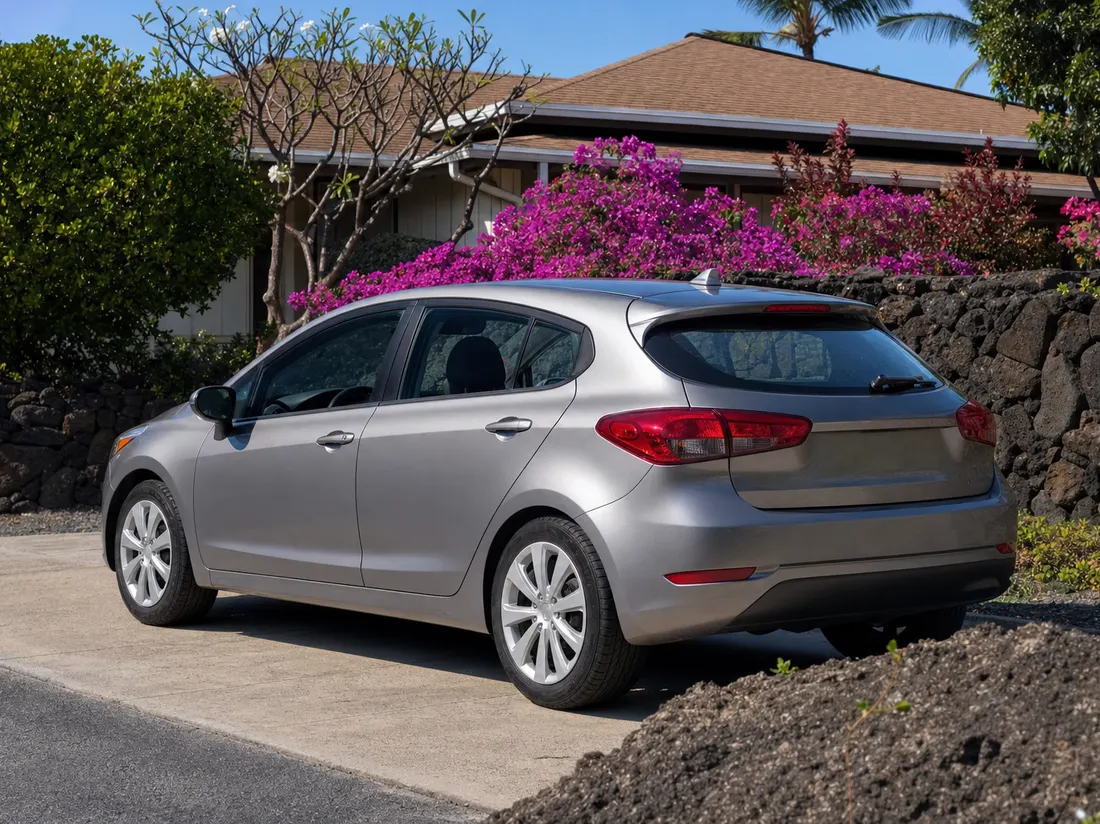
What happens to a car left on a Kona roadside
- A police notice starts a 24-hour clock. Hawaii County treats a car left unlawfully parked on a public road for more than 24 hours as abandoned. Once an officer tags it, pulling the notice off does not stop the tow.
- Moving it is the only fix. If the car goes onto private property, or more than a mile from where it was tagged, within those 24 hours, the case ends there. If not, it can be towed within 24 to 72 hours, and the owner pays the charges.
- Getting it back starts with a call to the Kona office. The county's Derelict and Abandoned Vehicle section takes claims by appointment there, at (808) 327-3539. Only the registered or legal owner can claim the car. Bring photo ID and expect a $50 department fee, the tow fee and storage from the tow date (county claim page).
Where we pick up around Kailua-Kona
From Kailua-Kona (96740), pickup runs north through Waikoloa Village (96738) to Waimea, south to Honaunau, and upslope to Holualoa. The biggest neighbor is Kaiminani, just north of town, which takes in Kona International Airport. A pickup in Waimea or Waikoloa Village, ranch roads included, is scheduled the same way as one in town.
Up a mauka switchback? Driveways from Kealakekua down to Honaunau are in range, steep ones included. Say how steep the grade is and how tight the approach is in the form, and the crew plans the load around it.
Kona's county DMV counter
What most people call the Hawaii DMV is, in Kona, Hawaii County's Vehicle Registration & Licensing office at the West Hawaii Civic Center, 74-5044 Ane Keohokalole Hwy. It is open 8 a.m. to 4 p.m., and the phone is (808) 323-4800. It handles title transfers and duplicate titles. Paperwork for salvage vehicles is taken only until 3:30 p.m. (county office list, June 2026).
Cash for your car in Kailua-Kona
If the car is finished, the same Civic Center counter can retire it for good with junk status, and there is no fee. You bring the Application for Junk Status and the certificate of title, both signed by every registered owner, plus both license plates. A junked car can never be registered again. What the county won't accept is a car left in a field or by the road: its recycling office calls that a crime, and the owner is fined and pays for the removal (County of Hawaii).
You can also sell it as it sits. An old, damaged or non-running car can still get an offer. If you want to sell a junk car in Kona, get a junk car offer and the truck comes to wherever it is parked, a carport in Holualoa or a driveway in Captain Cook.
Faded paint and a cracked dash are cosmetic. If the real trouble is a blown head gasket, a failing CVT or accident damage, selling a car with engine problems, selling a car with a failing CVT or automatic and selling an accident-damaged car explain whether it's worth fixing and what you have to tell a buyer.
Vog and rain on the Kona side
- •Vog is sulfur dioxide gas mixed with aerosols, mostly sulfuric acid droplets and other sulfate compounds. On the Kona coast, far from Kilauea's vents, the aerosols are the main part of it (USGS)
- •NOAA's 1991-2020 normal for the rain gauge at Kona's Keahole airport is 9.87 inches a year. At Hilo's airport gauge it is 120.39 inches (NOAA Kona normals)
Asked by Kailua-Kona sellers
Can I walk in at the Kona vehicle office, or do I need an appointment?
The Kona office works by appointment. There is sometimes an opening on the day you book, you can book up to a month ahead, and walk-ins are taken in limited numbers. Each appointment covers one transaction.
Is the Waimea office an option if I live north of Kona?
Yes. Hawaii County's Waimea office, at 65-1158 Mamalahoa Hwy in Kamuela, handles title transfers and duplicate titles, and it takes walk-ins on a standby basis. Salvage vehicles are on the Kona office's list of services but not on Waimea's, so take salvage paperwork to Kona.
Where does vehicle mail from Kona go?
Across the island to Hilo. Hawaii County's mailing address for motor vehicle registration is 101 Pauahi St., Suite 5, Hilo, HI 96720, phone (808) 961-8351. The county's seller page says the notice of transfer goes to the registration office of the county where the car was last registered, so for a car registered on this island, that is the Hilo address.
Will Hawaii County haul away a junk car in Kona for free?
Sometimes. The county's Vehicle Disposal Assistance Program tows up to two permanently junked or derelict vehicles a fiscal year from private property at no charge, only while funding lasts, and an application that misses a requirement is denied. Applications go to 345 Kekuanaoa St. in Hilo by mail, in person or by email, so from Kona you can apply without the drive. Call the county's Derelict and Abandoned Vehicle section, which runs the program, to ask for the form and whether funding remains.
What goes on the back of the title, and the notice you send after the sale, are explained on our Hawaii selling guide.